
The Complete ESL Worksheet Toolkit: Essential Resources for 2025
The Complete ESL Worksheet Toolkit: Essential Resources for 2025
Every ESL teacher dreams of opening a folder and instantly finding the perfect worksheet. When your toolkit is dialed in, planning time drops, differentiation becomes easy, and learners see fresh, relevant materials every lesson. The secret is to curate intentionally instead of collecting at random.
This guide shows you how to build a flexible toolkit for 2025 that supports grammar, vocabulary, skill work, and creativity. Use it to refresh your current library or create one from scratch for a new role or platform.
Why Build an ESL Worksheet Toolkit
A well-organized toolkit acts as your teaching safety net. It keeps classes engaging even when schedules change or you need a quick substitute plan.
- Save time: Ready-to-use options cut prep time from hours to minutes.
- Stay organized: Clear categories let you retrieve exactly what you need mid-lesson.
- Be prepared: A balanced toolkit covers last-minute substitutions, mixed levels, and different learning styles.
"The best teachers are those who show you where to look, but don't tell you what to see." — Alexandra K. Trenfor
Core Categories to Stock
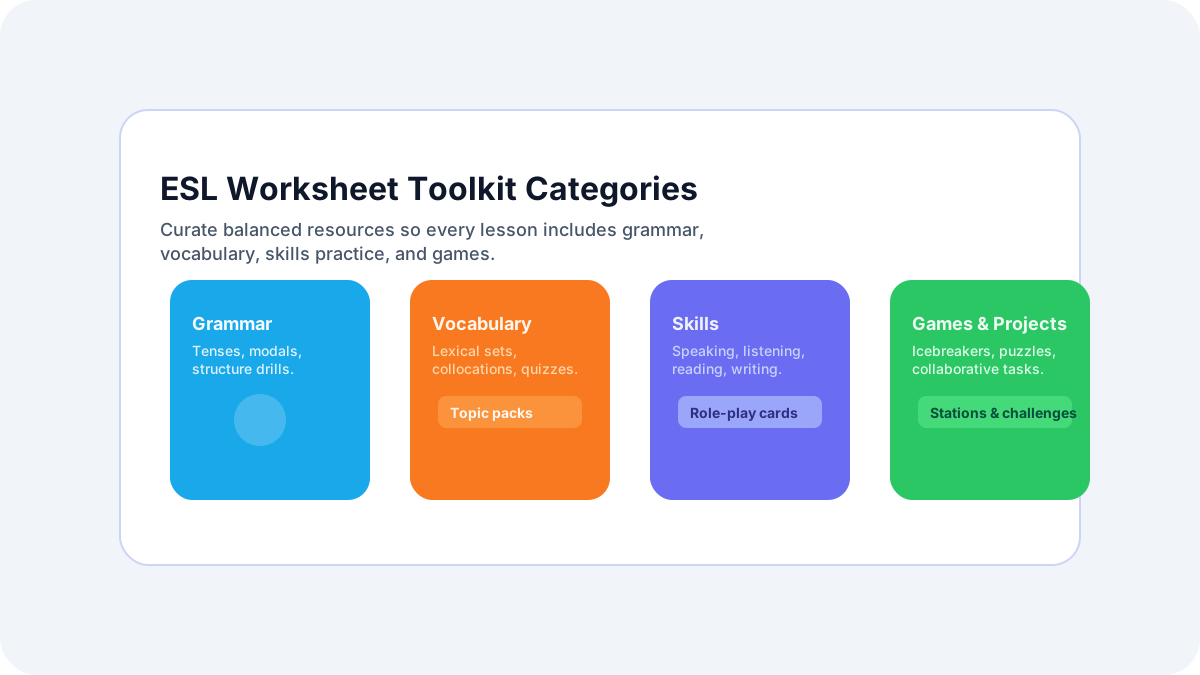
Round out your toolkit with resources that address every skill set your learners need across the year.
- Grammar foundations: Worksheets that target core structures with guided practice and communicative tasks.
- Vocabulary builders: Themed sets, lexical notebooks, and collocation practice for a wide range of topics.
- Speaking and listening prompts: Role-plays, debate cards, and listening cloze activities that spark conversation.
- Reading comprehension passages: Articles, stories, and infographics with follow-up questions for different levels.
- Writing frames: Outlines and genre-based templates for emails, reports, stories, and essays.
- Games and puzzles: Board games, bingo cards, and logic puzzles to recycle language in playful ways.
Make Your Toolkit Work for You
A collection is only powerful if it is easy to access. Combine analog and digital systems so you can teach confidently anywhere.
- Organize smartly: Label folders by skill, proficiency level, and theme. Consider color coding or numbering systems.
- Create a digital hub: Store editable versions in Google Drive, Dropbox, or Notion with clear file names and tags.
- Share and iterate: Swap favorites with colleagues and note feedback directly on the file so each worksheet improves over time.
Customization Tips That Elevate Worksheets
Even the best worksheet becomes better when it reflects your learners. Personalization keeps motivation high.
- Adapt to learners: Adjust context, add local references, or simplify questions for mixed groups.
- Add original materials: Insert authentic snippets such as transcripts, screenshots, or student-generated content.
- Gamify strategically: Layer in points, challenge cards, or timers to increase energy without sacrificing rigor.
Video: My Top 10 Favorite ESL Teacher Resources
Where to Find Updates and Support
Keep your toolkit evolving by tapping into ongoing inspiration.
- ESL websites and blogs: Follow trusted publishers for new worksheets and thematic bundles.
- Teacher communities: Join Facebook groups, subreddits, or Discord communities to crowdsource ideas.
- Professional development: Attend webinars and workshops to learn new frameworks you can translate into worksheet form.
Move From Collection to Action
- Audit your current files and archive anything outdated or off-brand.
- Create a simple spreadsheet with links, target skills, and notes on how each worksheet performs.
- Schedule a monthly refresh session to add two new resources and retire two that underperform.
Related hub
Adult worksheets, organized
Looking for worksheets specifically designed for adult learners? The adult ESL worksheets hub collects printable PDFs, workplace English activities, and speaking prompts — all organized by CEFR level.
See the adult worksheets hub →Get the Latest ESL Resources
Join ESL teachers who receive our weekly newsletter with lesson plans, activities, and teaching tips.
Subscribe Now →Related Articles
- → What Are ESL Materials?
ESL materials are the teaching resources and tools used to help learners acquire English as a Second Language. They encompass anything a teacher or student uses to facilitate language learning – from textbooks and worksheets to videos and interactive apps. High-quality ESL materials provide structure, practice opportunities, and engagement, making lessons more effective.
- → Best ESL Teaching Materials: The Ultimate Guide for Educators (2025)
Discover the best ESL teaching materials for 2025. This ultimate guide covers how to choose, adapt, and use effective resources—from worksheets and textbooks to digital tools and authentic content—for all levels and ages.
- → Where Can I Find Free ESL Worksheets for English Learners?
The ultimate 2025 guide to the best websites for ESL worksheets. Find top resources for grammar, vocabulary, reading, speaking, and more. Free, printable, and interactive options for all levels and ages.
- → What are the best websites for English ESL worksheets?
The ultimate 2025 guide to the best websites for ESL worksheets. Find top resources for grammar, vocabulary, reading, speaking, and more. Free, printable, and interactive options for all levels and ages.
New to ESL Teaching?
Check out our comprehensive glossary of ESL teaching terms and concepts.
Browse ESL Glossary →